Seismic Retrofit BC: Who Needs One and What It Involves
Which older BC buildings need seismic strengthening, what makes an upgrade mandatory under Vancouver's Part 11, and how an assessment becomes a retrofit scope you can build.

Earthquake design, seismic retrofit and non-structural restraint for one of Canada’s highest-hazard seismic regions.
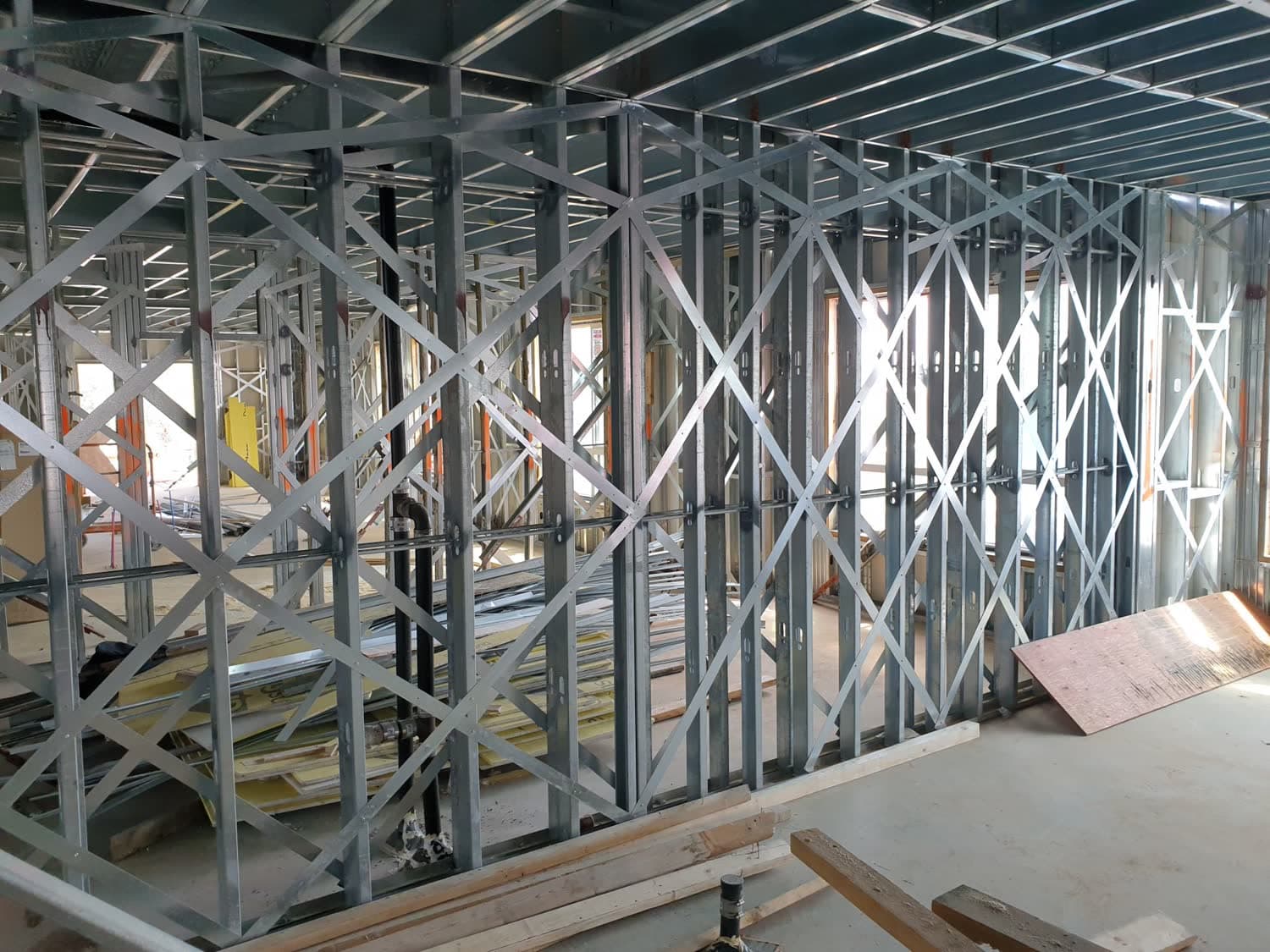
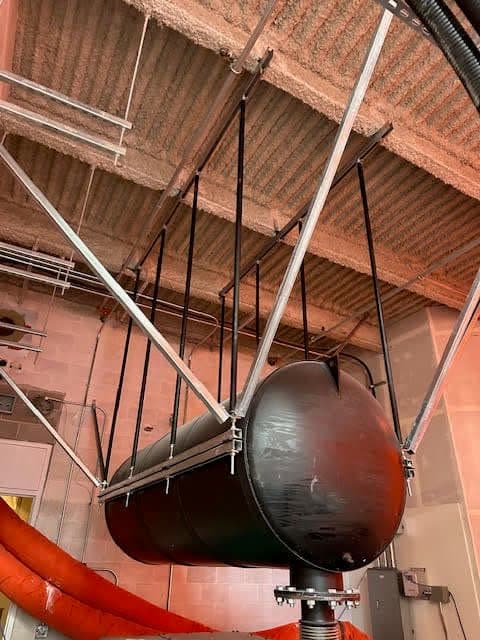
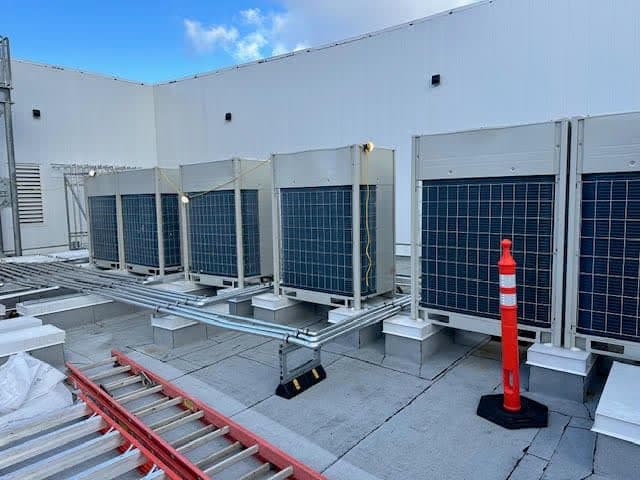
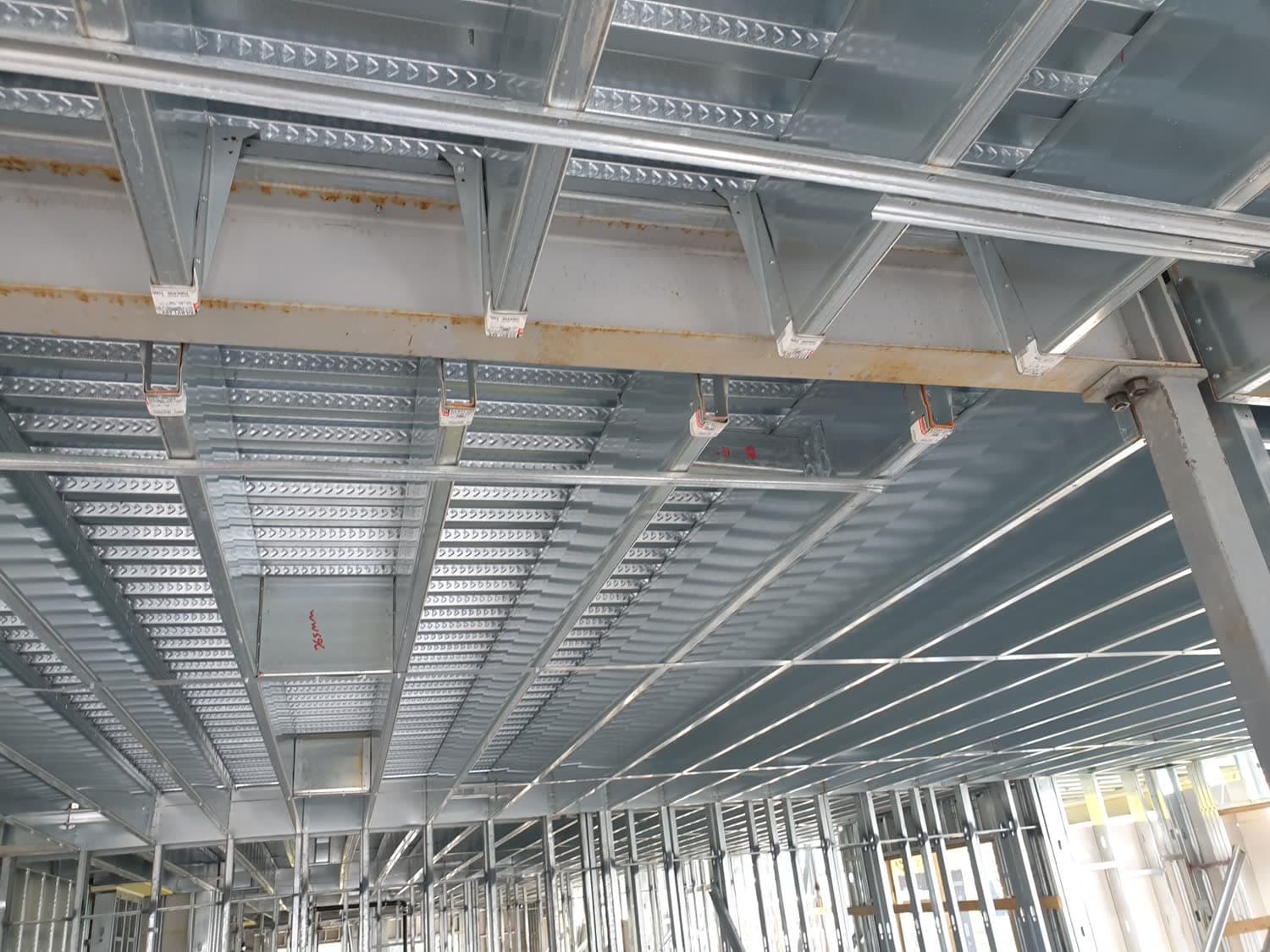
British Columbia’s south coast sits above three distinct earthquake sources: the Cascadia subduction zone offshore, deep in-slab events beneath the Strait of Georgia, and shallow crustal faults. That combination — plus soft delta soils through Richmond, Delta and the Fraser lowlands — makes lateral design the governing problem on a large share of BC projects. This section covers what a seismic retrofit involves and which buildings are the usual candidates, how the 2020 national hazard model changed design demands, why anchoring mechanical equipment and other non-structural components matters as much as the frame itself, and what Vancouver’s evolving seismic-risk policy means for existing building owners.

Which older BC buildings need seismic strengthening, what makes an upgrade mandatory under Vancouver's Part 11, and how an assessment becomes a retrofit scope you can build.
More articles on seismic & earthquake engineering are scheduled. In the meantime, these cover adjacent ground.

An even-handed comparison of cold-formed steel and wood framing for four- to six-storey BC buildings, from code limits and foundations to movement, envelope and panelisation.

Adopted 20 May 2025 and in force since September, Vancouver's by-law is built on BCBC 2024. What it changes for seismic demand, transition dates, mass timber, egress and energy.

Four or six units on a lot built for one house changes the structure completely. What a BC multiplex needs, from unit minimums and party walls to tight-lot foundations.